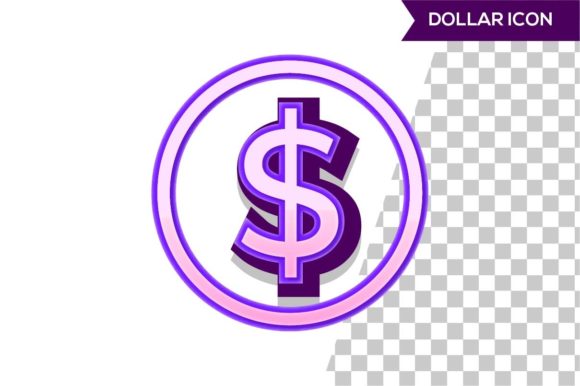
3d Dollar Icon Design: Elevating Financial Visuals
In the fast-paced world of digital communication, a 3d Dollar Icon Design is more than just a symbol; it is a powerful visual anchor that instantly conveys value, success, and financial authority. As designers seek to capture attention in crowded feeds and complex interfaces, the demand for high-quality, three-dimensional assets has surged, transforming flat graphics into dynamic elements that pop off the screen.
This shift toward depth and realism addresses a critical need in modern branding. Whether you are crafting a fintech application, designing a luxury marketing campaign, or updating a corporate presentation, the right icon can bridge the gap between abstract concepts and tangible user understanding. By leveraging advanced rendering techniques, these assets bring a sense of tactility and premium quality that traditional 2D vectors often struggle to achieve on their own.
The Strategic Value of Three-Dimensional Assets
Moving beyond simple line art, a 3d Dollar Icon Design introduces layers of shadow, light, and texture that create immediate visual hierarchy. This depth guides the user's eye naturally, ensuring that key financial information stands out without overwhelming the surrounding content. In UI design and UX projects, this clarity reduces cognitive load, allowing users to identify transaction buttons, balance indicators, or investment options with split-second recognition.
Beyond functionality, these icons play a pivotal role in establishing brand identity. A well-executed 3D asset signals innovation and modernity, suggesting that a business is forward-thinking and technologically adept. When integrated thoughtfully into a color palette, the metallic sheen or glossy finish of a dollar sign can reinforce themes of wealth, stability, and growth, making it an essential component for any professional presentation or editorial layout.
Practical Applications Across Industries
The versatility of high-resolution 3D graphics makes them indispensable across a wide spectrum of creative projects. From packaging design to social media graphics, these assets adapt seamlessly to various mediums while maintaining their integrity. Here is how they enhance specific areas of visual communication:
- Branding and Logo Design: Adding dimensionality to a logo can make a financial institution appear more robust and trustworthy, setting it apart from competitors using flat designs.
- Social Media Content: In a scroll-heavy environment, 3D icons catch the eye immediately, increasing click-through rates for ads promoting loans, savings, or crypto services.
- Website and UI Design: Interactive elements benefit from the tactile feel of 3D models, encouraging user engagement through hover effects and subtle animations.
- Packaging and Print Design: The ability to render realistic textures allows for stunning mockups that showcase products like gift cards, credit card sleeves, or promotional flyers.
- Digital Products and Merchandise: High-quality files ensure crisp reproduction on everything from mobile screens to t-shirts and tote bags.
Maximizing Usability with Editable Creative Assets
For graphic designers and creative directors, the true power of a premium asset lies in its flexibility. High-quality files typically come in multiple formats, including SVG, EPS, PNG, and JPG, ensuring compatibility with any software workflow. When working with a 3d Dollar Icon Design that features RGB color mode and editable main elements, customization becomes effortless.
Imagine needing to align a financial icon with a new brand guideline that requires a specific shade of emerald green or a deep navy blue. With fully customizable layers, you can adjust colors, lighting, and angles without losing the intricate details that give the icon its character. This adaptability streamlines the design process, allowing teams to iterate quickly and maintain consistency across all touchpoints.
Furthermore, the inclusion of high-resolution files ensures that your work remains sharp regardless of the output size. Whether scaling up for a billboard advertisement or shrinking down for a mobile app notification, the vector-based components preserve crisp edges, while raster formats provide ready-to-use images for web deployment. This dual-format approach eliminates the need for time-consuming re-rendering, saving valuable time during tight deadlines.
Best Practices for Integration
To get the most out of your design resources, focus on balancing aesthetics with usability. Ensure that the 3D element does not overpower the typography or disrupt the visual flow of the page. Consistency is key; if you choose a glossy, metallic style for your primary icon, apply similar lighting and textural rules to other elements in the suite to create a cohesive look.
Additionally, consider the context of your audience. A playful, cartoonish 3D dollar might suit a budgeting app for students, whereas a sleek, minimalist version with subtle gradients would be more appropriate for a high-end investment firm. Understanding these nuances helps you select the perfect asset that resonates with your target demographic.
Ultimately, investing in thoughtful, high-quality design elements pays dividends in both aesthetics and communication. By utilizing versatile, professionally crafted 3d Dollar Icon Design files, creators can elevate their projects, ensuring that every visual interaction reinforces the brand's message with clarity and impact.