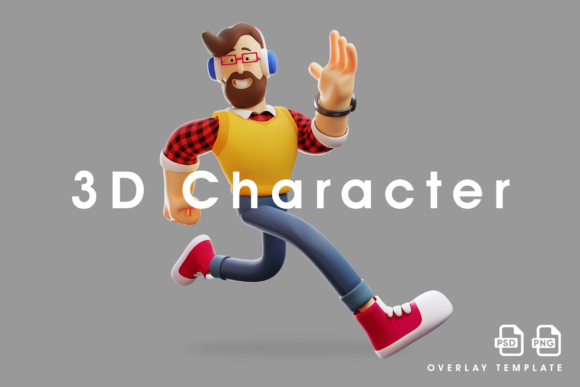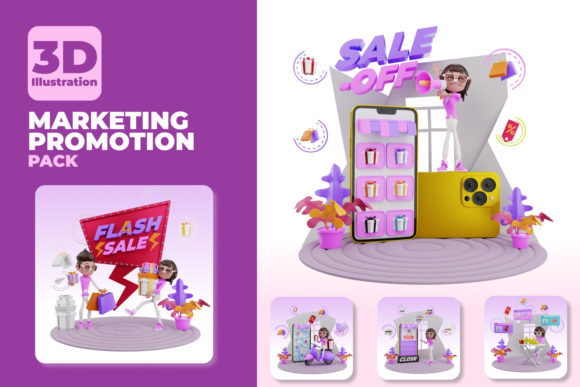
3D Render Marketing Promotion Illustration: Elevating Your Visual Strategy
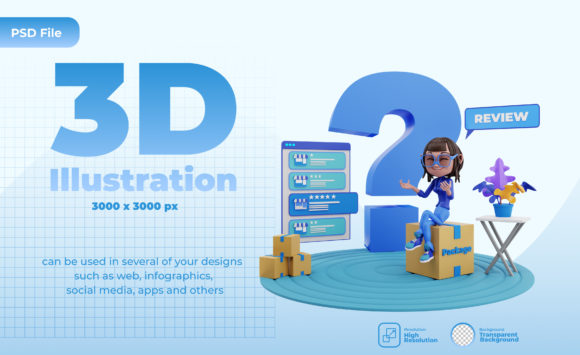
In a digital landscape saturated with flat images and generic stock photography, standing out has become an increasingly difficult challenge. This is where the 3D Render Marketing Promotion Illustration steps in as a game-changer. It is not merely a visual trend; it is a strategic tool that transforms how brands communicate, how creators engage audiences, and how products are perceived. Unlike traditional 2D graphics, these illustrations possess depth, texture, and lighting that mimic reality while offering the freedom of fantasy.
When you incorporate a 3D Render Marketing Promotion illustration into your workflow, you are instantly injecting a sense of modernity and professionalism into your project. Whether you are launching a new app, designing a landing page, or creating content for social media, these assets provide a level of polish that captures attention within the first few seconds. The current design ecosystem favors three-dimensional elements because they feel tactile and immersive, inviting users to interact rather than just look.
Why 3D Illustrations Dominate Modern Design
The shift toward 3D isn't accidental. Our brains are wired to process depth and spatial relationships quickly. A well-crafted 3D render can convey complex ideas faster than text or flat icons. When you see a product floating in mid-air with realistic shadows and reflections, your brain immediately registers quality and value. This psychological effect is crucial for marketing campaigns where trust and perception are everything.
Furthermore, 3D offers versatility that 2D simply cannot match. You can rotate a model to show every angle, change the lighting to set a specific mood, or animate the object without redrawing it from scratch. For marketers and designers, this means a single asset can serve multiple purposes across different platforms, saving time and budget while maintaining a consistent brand identity. The ability to create unique, bespoke visuals ensures that your design will be more interesting and memorable compared to competitors relying on generic templates.
Practical Applications Across Digital Platforms
The beauty of 3D Render Marketing Promotion Illustration lies in its adaptability. It is not confined to one medium but flows seamlessly across various digital touchpoints. Let's explore how different professionals utilize these assets in real-world scenarios.
- Web Design and Landing Pages: Imagine visiting a SaaS company's homepage. Instead of a static screenshot of their software, they feature a 3D dashboard that appears to float above the interface. This draws the eye immediately to the core value proposition. These illustrations break up long blocks of text, guiding the user's journey through the page naturally. They add a layer of sophistication that signals innovation.
- Social Media Content: On platforms like Instagram, TikTok, and LinkedIn, the scroll speed is incredibly fast. A flat image often gets skipped, but a vibrant 3D graphic stops the thumb. Brands use these renders to highlight product features, celebrate holidays, or announce sales. Because 3D elements can be animated easily, they work perfectly for Stories and Reels, turning a simple promotion into an engaging mini-experience.
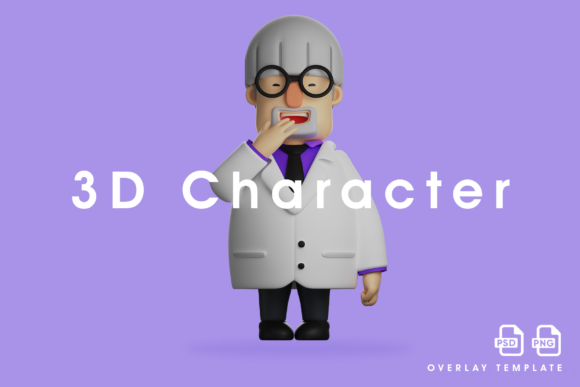
- Mobile Apps and UI/UX: App developers frequently use 3D illustrations for onboarding screens. When a user downloads a fitness app, seeing a 3D character demonstrating an exercise or a 3D dumbbell rotating creates an immediate connection. It makes the interface feel alive and responsive. For e-commerce apps, 3D product views allow customers to inspect items from all sides, reducing uncertainty and increasing conversion rates.
- Email Marketing: In crowded inboxes, subject lines and preheaders compete for attention. Including a subtle 3D element in the email header can increase open rates. It signals that the sender cares about quality and has invested effort into the communication, which builds rapport with the subscriber.
Tailoring Illustrations for Specific Audiences
Different users have different needs, and the application of 3D Render Marketing Promotion illustration varies accordingly. Understanding these nuances helps in selecting the right style and tone for your specific goals.
Entrepreneurs and Small Business Owners often struggle with limited budgets for professional photography. High-quality product shoots can be expensive and logistically difficult. 3D renders offer a cost-effective alternative. If you are selling a physical product that hasn't been manufactured yet, you can create photorealistic 3D models to run pre-launch campaigns, gauge interest, and secure funding before production even begins. This allows for early validation without the risk of unsold inventory.
Creatives, Bloggers, and Educators benefit from the explanatory power of 3D. Complex concepts—like blockchain technology, medical procedures, or architectural plans—are hard to visualize with flat diagrams. A 3D illustration can deconstruct these topics, showing internal mechanisms or spatial relationships clearly. For educators, this makes learning more engaging and accessible. A blogger writing about travel can use 3D landmarks to give readers a taste of the destination, evoking emotion and wanderlust more effectively than a standard photo.
Freelancers and Agencies use these assets to differentiate their portfolios. Clients are looking for partners who understand current trends. By incorporating 3D Render Marketing Promotion Illustration into case studies and pitch decks, freelancers demonstrate technical proficiency and creative vision. It shows that they are forward-thinking and capable of delivering high-impact visual solutions.
What to Consider Before Using 3D Assets
While the benefits are clear, there are practical considerations to keep in mind before integrating these illustrations into your projects. Not every 3D file is created equal, and choosing the wrong one can lead to technical issues or a mismatched brand voice.
Consistency is Key: One of the most common mistakes is mixing styles. If your website uses a minimalist, pastel-colored 3D aesthetic, don't suddenly introduce a gritty, hyper-realistic 3D render for a blog post. The illustrations should be arranged in such a way to convey the meaning of the illustrations while maintaining a cohesive visual language. Ensure that the lighting, texture style, and color palette align with your existing brand guidelines.
Performance and Load Times: High-resolution 3D renders can be heavy files. For web applications, this can impact loading speeds, which negatively affects SEO and user experience. Always optimize your assets. Convert them to modern formats like WebP or use vector-based 3D representations where possible. If you need interactivity, consider using lightweight WebGL libraries instead of massive video files.
Licensing and Usage Rights: Whether you are buying from a marketplace or downloading free resources, always check the license. Some assets are restricted to personal use only, while others require attribution. As a professional, you want to avoid legal pitfalls. Ensure that the 3D Render Marketing Promotion illustration you choose grants you the necessary commercial rights for your intended use, whether it's for a global ad campaign or a local business flyer.
Connecting Features to Real Outcomes
Ultimately, the goal of using these tools is to achieve tangible results. When you select a 3D illustration that accurately represents your message, you aren't just making things look "cool." You are improving comprehension, boosting engagement, and driving action. A study by various digital agencies suggests that pages with 3D interactive elements see higher dwell times and lower bounce rates.
For instance, a fashion retailer using 3D renders of clothing on diverse avatars can better showcase fit and fabric texture than a flat photo. This leads to fewer returns and higher customer satisfaction. Similarly, a tech startup using abstract 3D shapes to represent data flow can make their solution seem more intuitive and powerful to potential investors.
The key is intentionality. Don't use 3D just because it is trendy. Use it because it solves a communication problem. Does your audience need to understand how a machine works? Use a cutaway 3D view. Do you need to evoke excitement for a launch? Use dynamic, motion-ready 3D graphics. When the design serves a purpose, the result is a stronger connection between your brand and your audience.
As we move further into a visually driven internet era, the demand for high-quality, meaningful imagery will only grow. Embracing 3D Render Marketing Promotion Illustration is no longer optional for those who want to remain competitive. It is an essential component of a robust digital strategy that respects the viewer's intelligence and appeals to their desire for authentic, immersive experiences. By thoughtfully applying these assets, you transform ordinary designs into compelling narratives that resonate, inspire, and convert.