3d Text Effect Style Design: Elevating Visual Communication in a Digital-First World
In an era where attention is the most scarce resource, 3d Text Effect Style Design has emerged as a critical tool for capturing and retaining user engagement. It is no longer sufficient to rely on flat typography or static layouts when competing for eyes on social media feeds, landing pages, or marketing materials. The human brain processes three-dimensional objects faster than two-dimensional shapes, making 3D text a powerful mechanism for guiding focus and conveying depth in visual storytelling.
The relevance of this design approach extends far beyond mere aesthetics. As digital environments become increasingly saturated, professionals and creators are seeking ways to differentiate their content. The shift towards immersive experiences means that text must do more than just convey information; it must create a tactile sense of presence. Whether you are a marketer launching a product campaign, a freelancer designing a portfolio, or an educator creating engaging course materials, the ability to manipulate text with depth adds a layer of sophistication that flat designs often lack.
The Evolution from Flat to Dimensional Typography
The journey of typography has been defined by a constant push against the boundaries of the screen. For years, the "flat design" movement dominated the industry, stripping away shadows, gradients, and textures to prioritize clarity and minimalism. While effective for usability, this approach eventually led to a homogenized visual landscape where brands struggled to stand out. Today, we are witnessing a significant pivot back towards dimensionality, driven by advancements in rendering technology and changing user expectations.
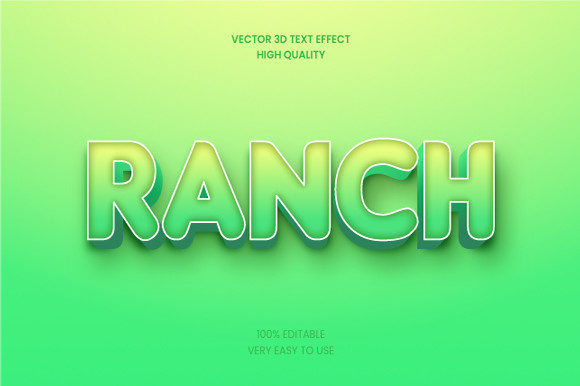
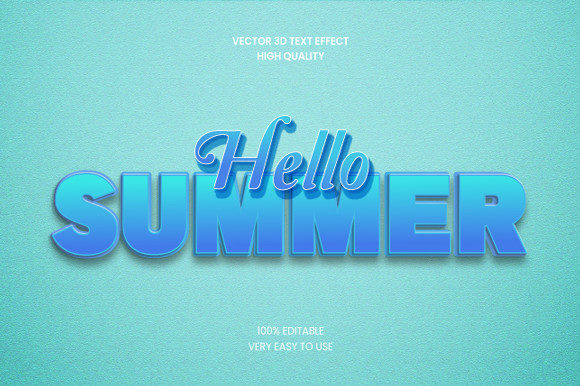
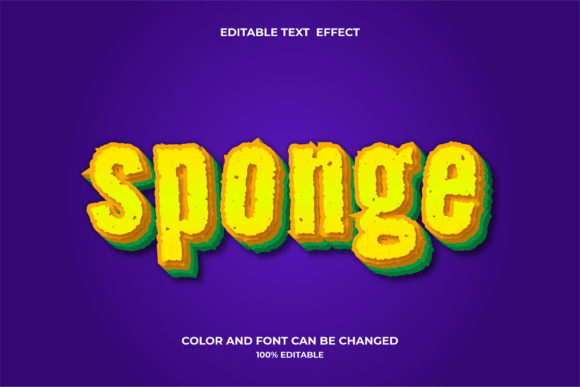
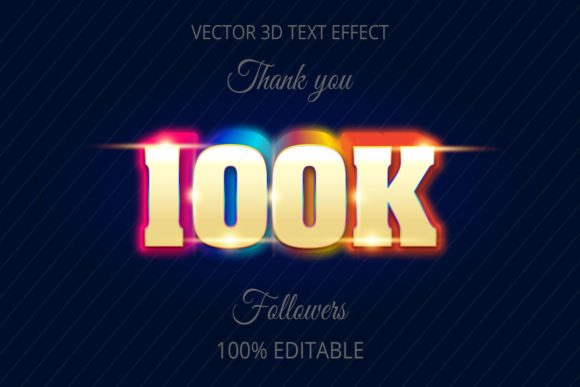
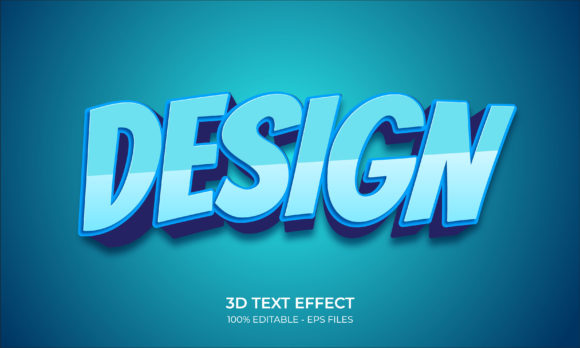
Modern users, particularly those in the 20–50 demographic, have grown up with high-fidelity graphics in video games, virtual reality, and cinematic media. They expect digital interfaces to feel responsive and rich. Consequently, Editable 3d text effect - DESIGN text style features have become essential assets in the creative toolkit. This evolution is not about returning to the overly ornate styles of the early 2000s, but rather adopting a refined, clean approach to 3D that integrates seamlessly into modern workflows.
The current trend favors realism combined with versatility. Users want text that looks tangible—something they can almost touch—but remains flexible enough to adapt to various contexts. This demand has spurred the creation of high-quality templates that balance artistic flair with technical precision. The move away from raster-only images to vector-based solutions marks a pivotal moment in how designers approach typography, allowing for infinite scalability without loss of quality.
Technical Superiority: Resolution and Color Precision
One of the most significant advantages of utilizing professional 3D text assets lies in their technical specifications. A common pitfall in amateur design is the use of low-resolution images that pixelate when scaled up, ruining the professional appearance of a project. High-standard design files address this immediately by offering Design in 300 DPI Resolution. This resolution standard is the industry benchmark for print media, ensuring that whether the final output is a billboard, a brochure, or a high-definition web banner, the edges remain crisp and the details sharp.
Beyond resolution, color accuracy is paramount. In the world of digital design, the difference between a vibrant, eye-catching graphic and a dull, muddy one often comes down to color mode. These premium design features operate in 100 Vector RGB color mode. This ensures that colors are displayed accurately on screens while maintaining the integrity required for digital marketing campaigns. Unlike standard JPEGs that might lose color fidelity upon compression, vector-based RGB modes allow for precise control over every hue, gradient, and shadow within the text effect.
The ability to modify and change color effortlessly is another game-changer. Brands have strict guidelines regarding their color palettes, and designers need tools that respect these constraints. With fully editable vector layers, a designer can swap a primary brand color for a secondary accent color in seconds, testing different psychological impacts on the audience without needing to recreate the entire 3D effect from scratch. This flexibility streamlines the creative process and reduces the time spent on repetitive tasks.
Workflow Efficiency and File Versatility
For professionals working in fast-paced environments, efficiency is as important as creativity. The frustration of receiving a design file that cannot be edited is a common experience. To combat this, modern 3D text packages are delivered as comprehensive Zip file included archives containing multiple formats tailored to different software ecosystems. This ensures that regardless of the tools a team uses, they can access and utilize the assets effectively.
The inclusion of AI File (Adobe Illustrator) and EPS File formats caters to vector-based workflows. These formats are ideal for graphic designers who need to manipulate individual paths, adjust stroke weights, or integrate the text effects into complex illustrations. Because vectors are mathematically defined, they can be resized from a tiny icon to a massive poster without any degradation in quality. This scalability is crucial for responsive design, where a single asset might need to look perfect on a mobile phone screen and a desktop monitor simultaneously.
Conversely, the inclusion of the JPG file provides immediate utility for non-designers or quick-turnaround projects. When a client needs a preview image for a website header or a social media post and does not require further editing, the high-resolution JPG offers a ready-to-use solution. This multi-format approach bridges the gap between complex design work and quick deployment, making it easier for businesses to maintain a consistent visual identity across all channels.
Practical Implications for Modern Creators and Businesses
The adoption of advanced 3D text effects has tangible implications for business growth and creative output. For entrepreneurs and small business owners, the ability to produce high-end visuals without hiring a specialized 3D artist can significantly reduce overhead costs. By leveraging pre-made, Easy to modify and change color templates, a solo entrepreneur can generate marketing materials that rival those produced by large agencies.
Marketers benefit from the enhanced engagement rates that 3D elements provide. Studies in visual perception suggest that dimensional text draws the eye more effectively than flat text, leading to higher click-through rates on ads and better retention of information in educational content. For bloggers and educators, using 3D text for headings and key takeaways can break up dense blocks of text, making content more digestible and visually appealing.
Furthermore, the modularity of these design assets supports the agile nature of modern marketing. Campaigns often require rapid iteration based on real-time data. If a specific color scheme isn't performing well, the ability to instantly swap colors in the AI or EPS file allows teams to A/B test variations quickly. This agility is essential in a market where trends shift rapidly and consumer preferences evolve constantly.
Future-Proofing Your Visual Strategy
Looking ahead, the integration of 3D elements into everyday design will likely deepen as technologies like augmented reality (AR) and mixed reality (MR) become more mainstream. As users interact with the digital world through AR glasses or smartphone overlays, the demand for 3D-native content will grow. Investing in 3d Text Effect Style Design now prepares creators and businesses for a future where 2D limitations are no longer acceptable.
However, practical application remains grounded in current realities. The goal is not to overwhelm the viewer with excessive effects but to use dimensionality strategically to enhance communication. The best designs use 3D text to highlight calls to action, emphasize brand values, or add emotional resonance to a message. By combining high-resolution quality, vector flexibility, and versatile file formats, these design assets offer a robust foundation for building compelling visual narratives.
In conclusion, the shift towards 3D text is not merely a stylistic choice but a strategic necessity for anyone looking to communicate effectively in today's crowded digital space. By utilizing tools that offer 300 DPI Resolution, Vector RGB color mode, and comprehensive file support, professionals can ensure their work stands the test of time and technology. Whether you are designing a logo, a social media graphic, or a full-scale advertising campaign, the power of 3D text lies in its ability to bring your message to life, making it impossible to ignore.