Elevate Your Visuals with 3D Percentage Tag Design Vector Isolated on White Background
In the fast-paced world of digital marketing, e-commerce, and graphic design, visual communication is paramount. One of the most effective ways to grab a viewer's attention instantly is through dynamic typography and dimensional elements. Among these, the 3D percentage tag design vector isolated has emerged as a cornerstone asset for creating compelling promotional materials. Whether you are launching a seasonal sale, designing an educational infographic, or crafting a financial report, understanding the power of this specific graphic element can transform a flat layout into a vibrant, engaging experience.
This article explores the significance of 3D percentage tag design vector isolated on white background, detailing why it is essential for modern design workflows, how it enhances user engagement, and the practical benefits of acquiring high-quality files in AI, EPS, JPG, and PNG formats.
Understanding the Core Concept: What is a 3D Percentage Tag?
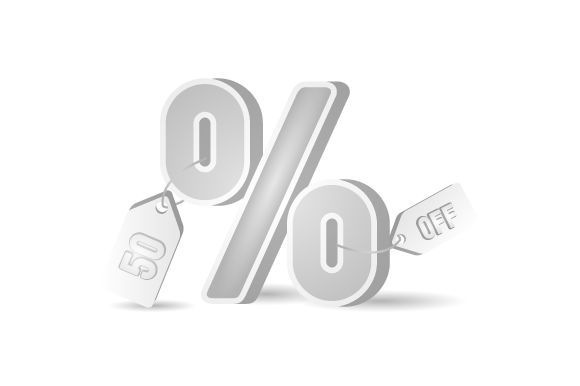
At its simplest, a percentage tag is a graphical representation used to denote discounts, growth rates, or statistical data. However, when we introduce the 3D (three-dimensional) aspect, the object gains depth, shadow, and texture, mimicking real-world objects floating in space. This shift from two-dimensional flat icons to three-dimensional models creates a psychological impact known as "visual weight."
When a designer uses a 3D percentage tag design vector isolated, they are not just placing text on a page; they are creating a focal point that demands interaction. The isolation on a white background is crucial because it ensures versatility. It allows designers to place the tag over any color, pattern, or image without worrying about clashing backgrounds or unwanted artifacts. This clean separation is what makes the asset so valuable for element and decoration design background applications.
The Psychology of Dimensional Graphics
Why do we prefer 3D tags over flat ones? Research in visual perception suggests that humans are naturally drawn to objects that appear to have volume. In a retail context, a 50% OFF tag that looks like a physical sticker or a hanging badge feels more tangible and urgent than a simple font change. It triggers a sense of immediacy and value. This is particularly relevant in:
- E-commerce Platforms: Where click-through rates depend heavily on visual appeal.
- Social Media Advertising: Where users scroll quickly and need immediate visual hooks.
- Corporate Presentations: Where data needs to be highlighted to impress stakeholders.
The Power of Vector Formats: Why AI and EPS Matter
One of the most critical aspects of using a 3D percentage tag design vector isolated is the file format. While many users might settle for a static image, true professionals understand the necessity of vector-based files like AI (Adobe Illustrator) and EPS (Encapsulated PostScript).
Vector graphics are defined by mathematical equations rather than pixels. This means that no matter how much you scale up a 3D percentage tag—from a tiny mobile app icon to a massive billboard—the edges remain perfectly crisp. There is no pixelation, blurriness, or loss of quality. This scalability is vital for businesses that operate across multiple mediums, ensuring brand consistency whether the tag appears on a business card or a highway banner.
Furthermore, working with AI and EPS files offers unparalleled flexibility. Designers can:
- Edit Colors Instantly: Change the gradient of the 3D tag to match your brand palette in seconds.
- Modify Text: Update the percentage figure from "20%" to "75%" without recreating the entire graphic.
- Adjust Shadows and Lighting: Fine-tune the lighting effects to create a different mood or time-of-day feel.
For those looking to integrate these assets into complex layouts, the ability to edit the source code of the vector file ensures that the final output is always optimized for print and web standards.
Maximizing Versatility with Raster Formats: JPG and PNG
While vectors are the gold standard for editing, the JPG and PNG formats provided in these packages serve a different, equally important purpose. These raster formats are ready-to-use images that require no software expertise to implement.
The PNG version of the 3D percentage tag design vector isolated on white background is particularly powerful due to its support for transparency. Even though the description mentions a white background, high-quality PNG exports often allow for easy removal of that background, leaving only the pure 3D tag. This is perfect for overlaying on busy product photos or textured websites where a solid white box would look out of place.
Conversely, the JPG format is ideal for web optimization where file size matters. If you need to display a 3D discount tag on a blog post or a landing page where editing isn't required, a compressed JPG ensures fast loading times while maintaining visual clarity. Having both formats in your toolkit means you are prepared for every scenario, from quick social media posts to high-resolution print campaigns.
Practical Applications in Modern Business and Creativity
The utility of a 3D percentage tag design vector isolated extends far beyond simple sales banners. Its application spans various sectors, demonstrating its adaptability in modern life and work.
1. E-Commerce and Retail Marketing
In the online shopping arena, competition is fierce. A well-designed 3D tag can be the difference between a customer scrolling past a product or clicking to learn more. These tags are frequently used to highlight flash sales, clearance events, or loyalty rewards. By isolating the tag on a white background, retailers can easily swap the tag onto hundreds of different product images, maintaining a cohesive yet dynamic look across their entire catalog.
2. Educational Infographics and Data Visualization
Education is another field where these assets shine. Teachers and content creators often use 3D percentage tags to illustrate statistical growth, test score improvements, or survey results. The dimensional quality of the tag adds a layer of professionalism and engagement that flat charts sometimes lack. It helps students and readers grasp the magnitude of the data immediately.
3. Event Promotion and Ticketing
Organizers of concerts, conferences, and workshops frequently use percentage tags to advertise early-bird discounts or group rates. The 3D effect adds a festive and celebratory tone to the invitation, making the offer feel exclusive and exciting.
Clarifying Common Misunderstandings
Despite the clear benefits, there are some misconceptions regarding the use of 3D percentage tag design vector isolated assets.
Misconception 1: "3D looks too cheesy or dated."
In the past, poorly rendered 3D graphics could indeed look cheap. However, modern vector designs utilize advanced lighting, realistic textures, and subtle shadows to achieve a sleek, premium look. When done correctly, a 3D tag looks sophisticated and high-end, not cartoonish.
Misconception 2: "I don't need vectors if I just want to use them online."
Even for web-only projects, starting with a vector file is best practice. It future-proofs your design. If a client later asks for a print version of the same campaign, having the original AI or EPS file saves hours of rework compared to trying to upscale a low-resolution JPG.
Misconception 3: "Isolation on white is limiting."
Actually, isolation is the key to freedom. A white background acts as a neutral canvas. It allows the designer to composite the tag seamlessly into any environment. Without isolation, the tag would come with a messy background that requires tedious manual cutting and masking.
Building a Professional Toolkit
To stay competitive in the creative industry, having access to high-quality, versatile assets is non-negotiable. Acquiring a package that includes AI, EPS, JPG, and PNG files provides a comprehensive solution for any design challenge.
By utilizing a 3D percentage tag design vector isolated on white background, you ensure that your projects are:
- Scalable: From mobile screens to large prints.
- Editable: Fully customizable to fit brand guidelines.
- High-Quality: Crisp, professional, and visually striking.
- Efficient: Saving time on creation and allowing focus on strategy.
Whether you are a seasoned graphic designer looking to enhance your portfolio or a small business owner trying to boost your sales, these assets provide the foundation for success. They bridge the gap between technical precision and artistic expression, offering a tool that is both functional and aesthetically pleasing.
Conclusion
The integration of a 3D percentage tag design vector isolated into your design workflow is more than just a stylistic choice; it is a strategic decision that enhances communication and engagement. By providing multiple file formats including AI, EPS, JPG, and PNG, these assets empower creators to adapt to any medium while maintaining the highest standards of quality.
As we move further into a visually driven digital landscape, the ability to create depth, dimension, and clarity will become increasingly important. Embracing tools like the 3D percentage tag design vector isolated on white background allows you to tell your story with greater impact, turning passive viewers into active participants. Whether you are decorating a background, highlighting a sale, or presenting data, these elements offer the perfect blend of form and function.
Invest in high-quality vector assets today, and watch your designs transform from ordinary to extraordinary. With the right tools at your disposal, the possibilities for creativity and business growth are limitless.