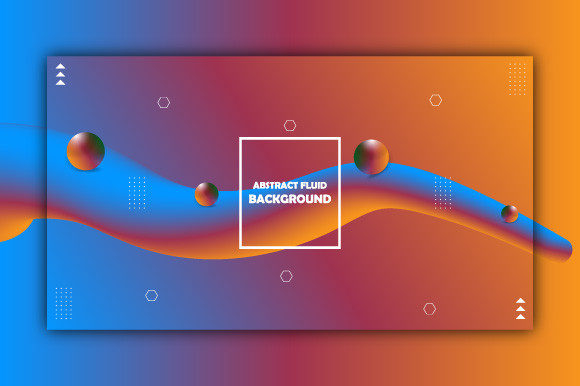
Fluid 3D Abstract Background for Modern Design
In a digital landscape saturated with static imagery and rigid grids, capturing attention requires something that breathes. This is where the Fluid 3D Abstract Background transforms from a simple graphic element into a powerful storytelling tool. Imagine a design that mimics the organic flow of liquid, enhanced by depth and dimension, creating an immersive experience without overwhelming the user. Whether you are building a high-conversion landing page or designing a sleek bankcard interface, this vector asset offers the versatility needed to stand out in a crowded market.
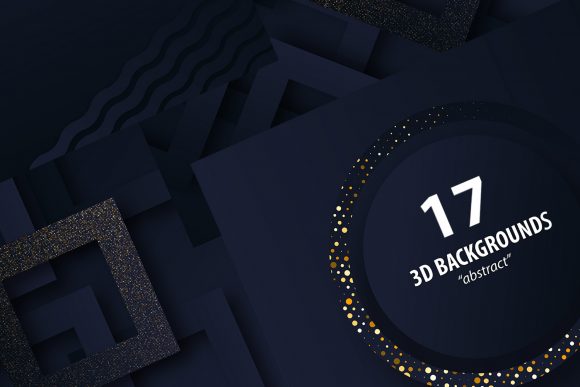
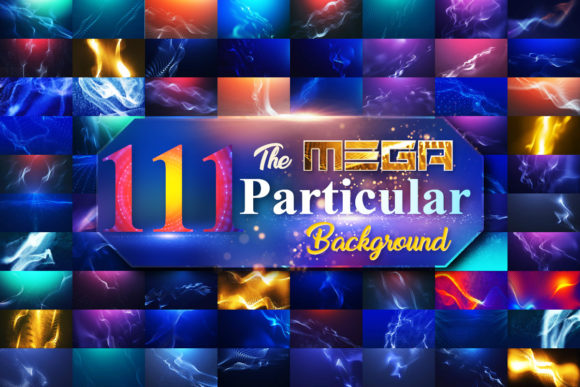
The beauty of this template lies in its duality: it possesses the futuristic allure of 3D rendering while maintaining the crisp precision of vector graphics. It is not merely a wallpaper; it is a dynamic foundation that adapts to your brand's voice. From glowing retro waves to smooth, undulating forms, these designs provide a sophisticated backdrop that elevates any visual project.
Understanding the Core Characteristics
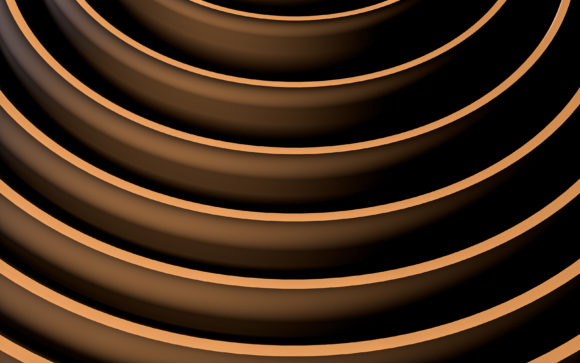
What exactly defines a Fluid 3D Abstract Background? At its heart, it is a study in motion and depth. Unlike flat illustrations, these designs utilize shading, gradients, and perspective to create the illusion of three-dimensional space on a two-dimensional surface. The "fluid" aspect refers to the wavy, organic shapes that resemble flowing water, molten glass, or drifting smoke. These elements guide the viewer's eye naturally across the screen, reducing visual fatigue and encouraging exploration.
One of the most critical strengths of this specific template is its fully vector nature. Created using Adobe CS, CS5, or Adobe CC, every curve and glow is defined by mathematical equations rather than pixels. This ensures that no matter how much you scale the image—whether it fits a tiny mobile notification icon or spans a massive billboard—the edges remain razor-sharp. There is no pixelation, no blurriness, just clean, professional quality at any size.
The resolution is another standout feature. With a native 300 DPI output, this background is print-ready. This means the same file can serve as a high-quality digital banner for social media and simultaneously be used for physical merchandise like business cards, wall art, or promotional flyers. The "glowing retro waves" aesthetic adds a layer of nostalgia mixed with futurism, tapping into current design trends that blend vintage charm with modern technology.
Practical Applications Across Industries
The adaptability of a fluid 3D abstract design makes it a go-to resource for professionals across various sectors. Let's look at how different users leverage this asset in real-world scenarios.
- Web and Landing Pages: For entrepreneurs and marketers, the first few seconds of a website visit determine bounce rates. A static white background often fails to engage. Integrating a Fluid 3D Abstract Background creates immediate visual interest. You can place call-to-action buttons over the darker, less complex areas of the wave patterns to ensure readability while maintaining a premium feel. It works exceptionally well for tech startups, SaaS platforms, and creative agencies looking to convey innovation.
- Fintech and Banking: Trust and security are paramount in finance, but they don't have to look boring. When designing bankcards, ATM interfaces, or mobile banking apps, a subtle fluid background suggests liquidity and ease of use. The wavy shapes mimic the concept of money flowing freely. Using a customized version of this template helps financial institutions appear modern and accessible, moving away from the stiff, corporate blue-and-white clichés.
- Social Media Marketing: In the fast-scrolling world of Instagram, LinkedIn, and X (formerly Twitter), content must stop the thumb. Vector banners featuring these futuristic, glowing waves cut through the noise. Because the design is customizable, you can tweak the colors to match your brand palette instantly. This flexibility allows educators, bloggers, and publishers to maintain a consistent visual identity across all their posts without hiring a designer for every single update.
- Personal and Creative Projects: Hobbyists and freelancers often need high-quality assets for portfolios or personal branding. A unique wallpaper or a custom presentation slide deck can make a significant difference in how your work is perceived. The ability to edit the source files in Adobe software means you can add your own logo, change the gradient hues, or even distort the waves to create a completely original piece.
Enhancing User Experience and Brand Perception
Beyond aesthetics, there is a functional benefit to using fluid backgrounds. Human eyes are naturally drawn to movement and curves. In web design, this psychological trait can be harnessed to direct user attention toward key information. A well-placed Fluid 3D Abstract Background can act as a visual funnel, guiding the user from a headline down to a form or a purchase button. This subconscious guidance improves usability and can lead to higher engagement metrics.
Furthermore, the "futuristic" vibe associated with these designs signals that a brand is forward-thinking. For business owners and product managers, aligning your visual identity with cutting-edge trends is a strategic move. It suggests that your products or services are up-to-date and reliable. Conversely, using outdated clip art or low-resolution images can inadvertently signal a lack of professionalism.
Navigating Implementation and Customization
While the template is ready to use, getting the best results requires a bit of strategy. Since the design is fully vector and editable in Adobe CS or CC, you have total control. However, customization should be purposeful, not random.
When selecting a color scheme, consider the emotional impact. Cool blues and teals evoke trust and calmness, ideal for healthcare or finance. Warm oranges and purples suggest creativity and energy, perfect for entertainment or lifestyle brands. Don't be afraid to experiment with opacity. Sometimes, lowering the brightness of the background allows text to pop more effectively, ensuring accessibility for visually impaired users.
It is also important to balance the complexity of the background with the simplicity of the foreground content. If your banner features intense, glowing waves, keep the typography bold and minimal. Avoid cluttering the design with too many competing elements. The goal is to let the fluid shapes support your message, not distract from it.
For those new to vector editing, the provided files offer a great learning opportunity. You can trace the paths, adjust the anchor points, and see how changing a single node affects the overall flow of the image. This hands-on approach deepens your understanding of design principles while delivering a polished final product.
Why Choose Vector Over Raster?
You might wonder why you shouldn't just download a JPEG or PNG. The answer lies in scalability and editability. Raster images lose quality when resized, making them unsuitable for large-format printing or responsive web design where screens vary wildly in size. A Fluid 3D Abstract Background designed as a vector file solves this problem entirely. You can resize it infinitely without losing the 300 DPI sharpness required for print media. Additionally, vectors allow you to isolate individual layers. Need to remove a specific wave? Simply delete the layer. Want to change the glow effect? Adjust the style settings. This level of control is impossible with standard image files.
Ultimately, investing in a high-quality, versatile asset like this saves time and resources in the long run. Instead of searching for new images for every project, you have a robust toolkit that adapts to your needs. Whether you are a freelancer pitching to a client, a marketer launching a campaign, or a developer optimizing a landing page, the Fluid 3D Abstract Background provides the professional polish necessary to succeed in today's competitive digital environment.