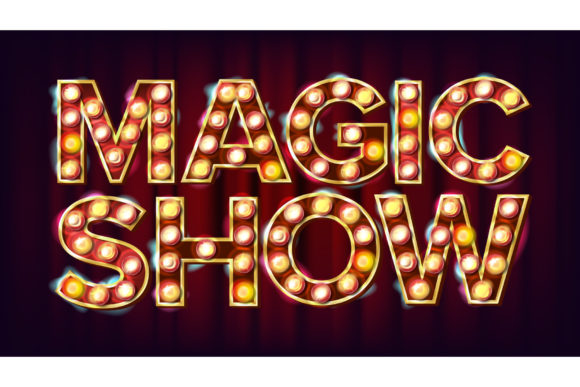
Magic Show Banner Sign Vector for Arts: A Strategic Asset for Festival Design
In the competitive landscape of event planning and creative marketing, visual assets serve as the primary bridge between an idea and public perception. The Magic Show Banner Sign Vector for Arts is not merely a decorative image; it is a functional component designed to elevate the visibility of circus-themed events, arts festivals, and theatrical productions. This specific digital asset combines a 3D glowing element with a classic banner structure, creating a focal point that captures attention in crowded environments. For professionals ranging from freelance marketers to festival organizers, understanding how to integrate this vector into a broader workflow is essential for achieving high-impact results.
The design features a sophisticated blend of traditional circus aesthetics with modern 3D rendering techniques. The glowing elements suggest energy, wonder, and performance, which are critical psychological triggers for potential attendees. When utilized correctly, this asset transforms a standard announcement into a compelling invitation. It fits seamlessly into the pre-production phase of any event, serving as a cornerstone for branding, advertising, and on-site signage. Its versatility allows it to function effectively across various mediums, ensuring consistency from the initial concept to the final display.
Strategic Integration in the Creative Workflow
Integrating the Magic Show Banner Sign Vector for Arts into your project requires more than simply placing it on a webpage or printing it on paper. It demands a strategic approach to ensure the asset aligns with the overall narrative and technical requirements of the event. In the planning stage, this vector acts as a mood setter. Designers often use such high-quality illustrations to establish the tone for the entire campaign before a single ticket is sold or a single poster is printed.
The process begins with assessing the target audience. Adults aged 20 to 50, who make up the core demographic for many arts festivals, respond well to visuals that balance nostalgia with contemporary polish. The 3D glowing effect provides that modern edge, while the banner format offers a familiar structure that is easy to read at a glance. During the conceptualization phase, teams can use this vector to mock up different scenarios. Will it be the header for a landing page? A physical billboard? Or perhaps a digital ad for social media? By testing these variations early, stakeholders can make informed decisions about resource allocation and design direction.
Once the concept is approved, the workflow moves into execution. Here, the vector nature of the file becomes paramount. Unlike raster images that pixelate when scaled, vectors allow designers to manipulate size without losing quality. This flexibility is crucial when managing a multi-channel marketing strategy. The same core graphic can be adapted for a massive outdoor banner, a mobile-friendly email signature, or a small icon on a navigation menu. This scalability ensures that the brand identity remains consistent regardless of where the audience encounters it.
Preparation and Technical Compatibility
Before diving into the creative application, proper preparation is necessary to ensure smooth implementation. The asset is available in EPS and JPG formats, each serving distinct purposes within a professional workflow. The EPS (Encapsulated PostScript) file is the gold standard for print production and further graphic manipulation. Because it is vector-based, it retains crisp edges at any resolution, making it ideal for large-format printing like banners, posters, and stage backdrops.
Conversely, the JPG version is optimized for digital delivery. While it lacks the infinite scalability of the EPS file, its compressed nature makes it perfect for web use, social media posts, and email newsletters where load times and file sizes matter. A robust workflow involves keeping both versions accessible in a centralized asset library. This organization prevents bottlenecks during the launch phase, allowing team members to quickly retrieve the appropriate file type for their specific task.
Compatibility extends beyond file formats to software ecosystems. Most professional design tools, including Adobe Illustrator, CorelDRAW, and Affinity Designer, handle EPS files natively. However, it is important to verify that all collaborators have access to the necessary software to open and edit these files. If a client or partner uses a platform that does not support vector editing, providing the JPG version ensures they can still view and utilize the imagery without compatibility issues. Clear communication regarding file specifications prevents delays and frustration among team members.
Practical Use Cases Across Event Stages
The utility of the Magic Show Banner Sign Vector for Arts spans the entire lifecycle of an event, from initial promotion to post-event engagement. Understanding these varied applications helps maximize the return on investment for the asset.
- Promotional Phase: In the weeks leading up to the festival, the banner serves as the hero image for advertising campaigns. The 3D glowing elements draw the eye, increasing click-through rates on digital ads. Print materials, such as flyers and local newspaper inserts, benefit from the high-resolution capabilities of the EPS file, ensuring the text and graphics remain sharp even in small formats.
- On-Site Execution: Once the event begins, the design translates beautifully to physical signage. Large vinyl banners hung at entrances or around the venue create an immersive atmosphere. The "glowing" aspect of the design can be enhanced through lighting choices, making the sign appear to emit light in low-light conditions typical of evening performances. This continuity between digital and physical spaces reinforces the event's brand identity.
- Post-Event Marketing: After the show concludes, the vector asset remains valuable. It can be used in recap videos, thank-you emails to sponsors, and promotional materials for future events. Because the file is scalable, it can be repurposed for merchandise designs, such as t-shirts or tote bags, extending the brand's reach long after the tickets have been sold.
For educators and bloggers covering the arts sector, this vector offers a practical tool for creating engaging content. An article about upcoming magic shows or a blog post reviewing festival trends becomes significantly more attractive when accompanied by high-quality, relevant imagery. The ability to customize the vector allows content creators to tailor the colors or text to match their specific editorial style while maintaining the core aesthetic of the original design.
Optimizing for Quality and Efficiency
To get the most out of the Magic Show Banner Sign Vector for Arts, users must prioritize quality control and efficiency. One common pitfall is assuming that a vector file will automatically look good in every context. Text legibility, color contrast, and background compatibility must always be checked. For instance, if the banner is placed over a busy photograph, the glowing elements might get lost. In such cases, adding a subtle drop shadow or adjusting the opacity can improve readability without compromising the design integrity.
Efficiency is also gained through standardization. Establishing a set of guidelines for how the banner is used across different departments can streamline the approval process. Define clear rules for minimum safe zones, color variations, and text overlays. This reduces the need for repeated revisions and ensures that everyone involved in the project—from the marketing director to the graphic designer—is working toward the same visual goal.
Furthermore, consider the longevity of the asset. Digital trends change rapidly, but a well-designed vector illustration has a longer shelf life. By choosing a style that balances current trends with timeless appeal, the banner can be reused for multiple seasons or years. This approach supports sustainable design practices and reduces the need for constant re-creation of core marketing materials.
Collaboration and Decision Making
In a collaborative environment, the Magic Show Banner Sign Vector for Arts facilitates better decision-making. Visuals often communicate complex ideas faster than words. When presenting options to stakeholders, having a high-fidelity mockup based on this vector can clarify the vision immediately. It allows non-designers to visualize the final product, leading to quicker approvals and fewer misunderstandings.
This clarity extends to budget management. By using a versatile vector asset, organizations can avoid the costs associated with hiring new illustrators for every new campaign. Instead, resources can be allocated to other critical areas such as performer fees, venue rental, or audience outreach. The initial investment in acquiring a high-quality vector pays dividends through reduced production costs and increased operational efficiency.
Ultimately, the success of an arts festival or magic show depends on the seamless integration of all its components. The banner is not just a sign; it is the first interaction many people have with the event. By treating the Magic Show Banner Sign Vector for Arts as a strategic tool rather than a simple decoration, professionals can enhance the overall impact of their projects. Whether you are organizing a large-scale festival or promoting a local community event, this asset provides the foundation for a visually compelling and professionally executed campaign.
As you move forward with your next project, remember that the value of this vector lies in its adaptability. It is a flexible resource that grows with your needs, supporting your workflow from the initial spark of an idea to the final celebration of the event. By mastering its application, you ensure that your message is delivered with clarity, style, and professionalism.