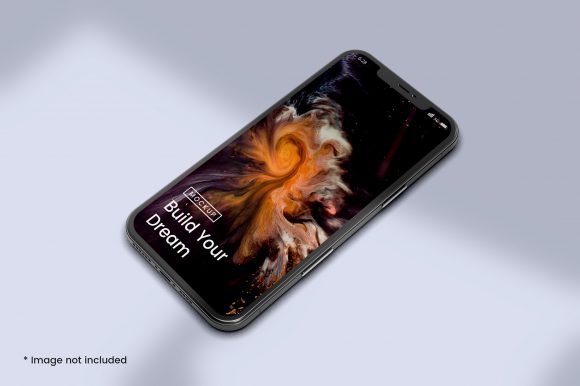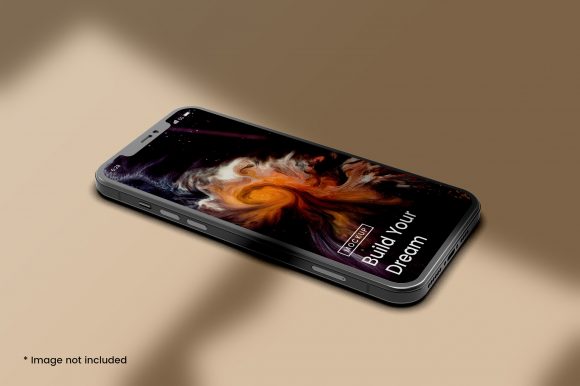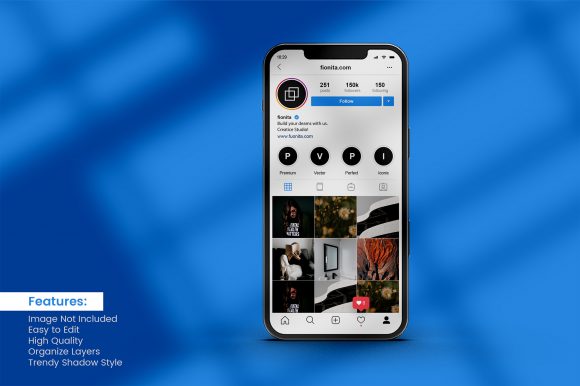
Realistic 3d Smartphone Mockup
In the fast-paced world of digital marketing and app development, your visual assets need to do more than just look good; they need to command attention immediately. A Realistic 3d Smartphone Mockup is not merely a static image; it is a dynamic tool that bridges the gap between a raw design file and a tangible product experience. When you are presenting a new application interface or showcasing a social media campaign, the context in which your design appears can make or break its perceived value. This is where high-fidelity mockups become essential, offering a level of depth and realism that flat screens simply cannot achieve.
The core value lies in the ability to visualize your work in a natural environment. Instead of staring at a flat rectangle on a monitor, stakeholders can see how an app looks in the hand of a user, catching the light, casting subtle shadows, and reflecting the surrounding atmosphere. This psychological shift helps clients and users connect with the product before it even launches. By using a Realistic 3d Smartphone Mockup, you are essentially simulating the final user experience without spending weeks on physical prototyping.
Transforming Social Media Strategy
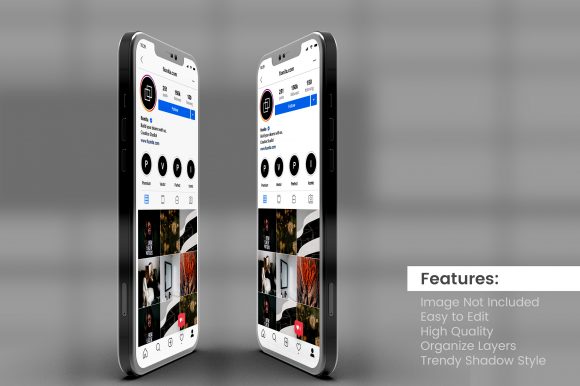
Social media platforms have become the primary battleground for brand visibility, and the competition for eye space is fierce. A generic screenshot often gets scrolled past instantly, but a Realistic 3d Smartphone Mockup integrated into a cohesive social media post template tells a story. Imagine scrolling through Instagram or LinkedIn and seeing a notification popping up on a device that looks exactly like the one your audience is holding right now. The immersion creates an immediate sense of relevance.
For social media managers and content creators, these mockups serve as versatile canvases. You can place your latest blog graphic, a promotional offer, or a stunning UI screen onto the display and blend it seamlessly with lifestyle photography. The result is a post that feels organic rather than forced. It allows brands to maintain a consistent aesthetic across different campaigns while highlighting specific features of their digital products. Whether you are launching a fitness app or promoting a new e-commerce store, the ability to present your content within a realistic frame significantly boosts engagement rates.
Empowering App Developers and Designers
For UX/UI designers and software developers, the stakes are high when pitching to investors or presenting to a client. A pitch deck filled with flat screenshots can feel disconnected from reality. Integrating a Realistic 3d Smartphone Mockup elevates the presentation, making the software appear polished and ready for market. It demonstrates that the designer has thought about the end-user's interaction with the device.
This tool is particularly useful during the iteration phase. Designers can quickly swap out different screen states—such as a login page, a dashboard, or a checkout flow—to show how the entire ecosystem functions. The depth provided by the 3D rendering adds a layer of professionalism that can justify higher pricing for services. Clients are more likely to approve designs that look finished and lifelike, reducing the back-and-forth communication required to explain spatial relationships and layout nuances.
Catering to E-Commerce and Marketing Teams
E-commerce businesses rely heavily on visual trust. When selling digital products or promoting a mobile-first service, the presentation must be flawless. A Realistic 3d Smartphone Mockup allows marketing teams to create advertisements that stand out in crowded ad networks. Instead of a simple banner, you can showcase a mobile game or a shopping app running on a device that matches current consumer trends.
Consider a scenario where a fashion brand wants to highlight their new augmented reality try-on feature. By placing this technology inside a photorealistic phone frame, the advertisement becomes interactive in the viewer's mind. It suggests utility and modernity. Furthermore, these mockups are adaptable for various industries, including fintech, healthcare, and education. Each sector benefits from the ability to contextualize their specific solutions within a familiar device, reinforcing the message that their product is accessible and user-friendly.
Understanding the Deliverables: What You Get
When you acquire a high-quality package containing a Realistic 3d Smartphone Mockup, you are investing in flexibility and efficiency. Typically, these resources come in a comprehensive zip file designed to streamline your workflow. The inclusion of high-quality JPG files means you have immediate access to rendered images that require no editing. These are perfect for quick social posts, email headers, or print materials where speed is of the essence.
However, the true power lies in the editable PSD (Photoshop) files. These layers give you complete control over every aspect of the composition. You can change the background to match your brand colors, adjust the lighting to fit the time of day, or swap the phone model to reflect the latest hardware releases. The smart object layers allow you to drop in your design, and the mockup automatically applies the necessary perspective, distortion, and shading. This level of customization ensures that your final output is unique and tailored to your specific project needs.
Practical Considerations and Best Practices
While these tools are incredibly powerful, there are practical considerations to keep in mind to ensure the best results. The most common pitfall is ignoring the resolution of the source design. Since the mockup renders a realistic surface, low-resolution graphics will look pixelated and unprofessional once placed on the curved screen. Always start with high-resolution assets to maintain clarity.
Lighting consistency is another critical factor. If your mockup features a warm, golden-hour light, your design should not clash with cool, harsh tones unless that is a deliberate artistic choice. Pay attention to reflections and glare; adding subtle highlights to your design can enhance the realism further. Additionally, consider the angle of the phone. A front-facing view is great for showing off an interface, but a three-quarter angle might better convey the sleekness of the device itself.
It is also important to remember that while these mockups are highly realistic, they are still representations. They should not be used to mislead customers about the actual physical dimensions or weight of the device. The goal is to enhance the perception of quality, not to deceive. Use them to inspire confidence and excitement, ensuring that the underlying product delivers on the promise made by the visuals.
Why Feedback Matters in the Creative Process
Creating content is a collaborative journey. As you utilize these resources for your projects, remember that feedback is always welcome. Whether you are a seasoned professional or just starting out, sharing your experiences helps refine the tools we all use. Your insights contribute to a better understanding of what works in real-world scenarios, helping others find the right solution for their creative challenges.
By integrating a Realistic 3d Smartphone Mockup into your workflow, you are making a strategic decision to prioritize quality and engagement. From social media influencers crafting their next viral post to enterprise developers securing funding, the applications are vast. The combination of high-quality JPGs and fully editable PSDs provides the versatility needed to tackle any project, ensuring your digital creations resonate deeply with your audience.