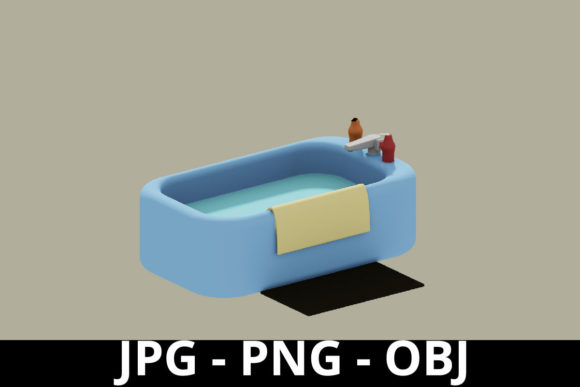
3d Rendering Bathtub Perfect for Design: Elevating Your Bathroom Projects
In the competitive world of interior design and architectural visualization, the smallest details often make the biggest impact. When professionals and homeowners alike seek to visualize a space before construction begins, the quality of the assets used is paramount. This is where a 3d Rendering Bathtub Perfect for Design becomes an indispensable tool. Whether you are creating a modern minimalist bathroom, a vintage-inspired washroom, or a whimsical cartoon-style illustration, having access to high-quality, isolated 3D assets streamlines the entire creative process.
This article explores how utilizing specialized 3D bathtub renders can transform your workflow, solve common visualization challenges, and deliver stunning results for your next project. We will delve into the practical applications of these assets, ranging from residential renovations to commercial hospitality design, ensuring that every element, from the porcelain finish to the water dynamics, meets the highest standards of realism and style.
Understanding the Asset: What Is It?
A 3d Rendering Bathtub Perfect for Design refers to a comprehensive digital package containing photorealistic or stylized models of bathtubs, specifically optimized for integration into larger scenes. These assets are not merely static images; they are versatile files that typically include multiple formats such as JPG, PNG, and OBJ. The inclusion of the OBJ format is particularly crucial for designers who require full control over lighting, texture mapping, and camera angles within their preferred 3D software like Blender, Maya, or 3ds Max.
The core value of this asset lies in its versatility. It captures the essence of a bath time experience without the logistical nightmare of staging a physical photoshoot. You get a clean, isolated object that features realistic textures—porcelain, ceramic, and even vintage finishes—ready to be placed in any environment. The collection often includes variations such as classic cylinder shapes, modern sleek lines, and even cute, cartoonish styles, ensuring there is a perfect match for any design aesthetic.
Addressing Common Visualization Challenges
Designers frequently face specific hurdles when trying to present bathroom concepts to clients. One of the most significant challenges is achieving a sense of scale and hygiene. A poorly rendered tub can look flat, artificial, or out of place, undermining the credibility of the entire room design. Furthermore, capturing the interaction between water, soap, and the tub surface requires advanced rendering skills that many generalists do not possess.
Another common issue is the lack of variety. Many standard libraries offer generic white tubs that lack character. They fail to convey the "beautiful" and "stylish" atmosphere that defines a luxurious home. Clients often struggle to visualize how a specific fixture will fit into their existing decor, leading to hesitation and delayed decisions. Without a high-quality reference, it is difficult to communicate the potential of a space effectively.
A 3d Rendering Bathtub Perfect for Design directly addresses these pain points. By providing pre-rendered, high-fidelity assets, designers can bypass the technical difficulties of modeling complex curves and simulating water refraction from scratch. This allows them to focus on the broader composition of the room, ensuring that the bathtub acts as a centerpiece rather than a distraction. The availability of different file types means you can choose between a quick visual mockup using PNGs with transparent backgrounds or a fully interactive scene using OBJ files for custom lighting setups.
Practical Applications and Outcomes
The utility of these assets extends far beyond simple decoration. For interior architects, the ability to quickly swap out a standard tub for a vintage cylinder model or a modern floating design allows for rapid iteration. This flexibility is essential when working with clients who have specific preferences regarding materials like ceramic or porcelain. You can demonstrate how light reflects off a glossy blue surface versus a matte white one, helping clients make informed decisions about color palettes and finishes.
In the realm of e-commerce and product marketing, these renders are equally valuable. Imagine showcasing a new line of bathroom fixtures. Instead of shipping heavy samples or booking expensive studio time, you can utilize these 3D renders to create compelling imagery. The isolated nature of the assets ensures that the focus remains entirely on the product. You can place the bathtub in various contexts—a sunlit window, a dark moody spa, or a bright, clean washroom—to appeal to different market segments.
For hobbyists and illustrators, the "cartoon" and "cute" variations open up creative avenues for children's books, game development, or educational content about hygiene and bathing. The ability to render a scene with soap bubbles, shampoo bottles, and water splashes adds a layer of narrative that static photography often lacks. These elements bring the room to life, making the design feel inhabited and relatable.
Tailoring the Approach for Different Users
How you approach the use of a 3d Rendering Bathtub Perfect for Design depends largely on your specific role and goals. Let's explore how different users might leverage these resources:
- Interior Designers: Focus on spatial planning and materiality. Use the OBJ files to integrate the tub into a floor plan, adjusting the faucet position and surrounding tiling to ensure functionality. Pay attention to the "clean" and "hygiene" aspects by ensuring the render reflects a well-maintained environment.
- Architectural Visualizers: Prioritize lighting and atmosphere. Use the high-resolution JPGs and PNGs as base layers for compositing. Experiment with different times of day to show how natural light interacts with the water and the tub's surface, creating a dramatic effect for portfolio pieces.
- E-commerce Marketers: Emphasize product features and lifestyle. Create scenarios where the tub is part of a "bath time" routine, including props like towels and plants to suggest a relaxing experience. Highlight the "modern" or "classic" styling to target specific demographics.
- Game Developers & Illustrators: Utilize the stylized versions. The "cartoon" aspect allows for vibrant colors and exaggerated proportions. Use the "empty" state of the tub to allow for dynamic gameplay mechanics or storytelling elements.
Key Considerations for Implementation
To get the most out of your design project, consider the following factors when integrating these assets. First, always check the resolution of the image files. High-quality renders should be crisp enough to handle zoom-ins without pixelation, which is vital for large-format prints. Second, ensure compatibility with your software. While OBJ is a universal standard, some proprietary formats may require specific plugins or converters.
Pay close attention to the lighting setup in the original render. If you are importing an OBJ file, you may need to adjust the environment map to match the lighting of your new scene. However, if you are using a PNG with transparency, you can simply overlay it onto your background, provided the shadows and highlights align naturally. The goal is to make the bathtub look like it belongs in the house, not pasted on top of it.
Finally, think about the narrative. A bathtub is more than just a vessel for water; it is a symbol of relaxation and self-care. Whether you are designing a luxury hotel suite or a cozy family bathroom, let the choice of the tub reflect the intended mood. A vintage tub suggests history and charm, while a sleek, modern cylinder implies efficiency and contemporary style.
Conclusion
Incorporating a 3d Rendering Bathtub Perfect for Design into your workflow is a strategic move that enhances both efficiency and creativity. By providing a wide array of options—from classic porcelain to modern blue ceramics—these assets empower designers to overcome technical barriers and focus on what truly matters: creating beautiful, functional spaces. Whether you are aiming for a photorealistic depiction of a serene washroom or a playful illustration of a bath time adventure, the right 3D resources can turn your vision into reality. As the industry continues to evolve, embracing these digital tools ensures that your designs remain at the forefront of innovation, delivering exceptional value to clients and audiences alike.