Anemia Realistic Vector Banner Template: A Comprehensive Guide for Hematology Professionals
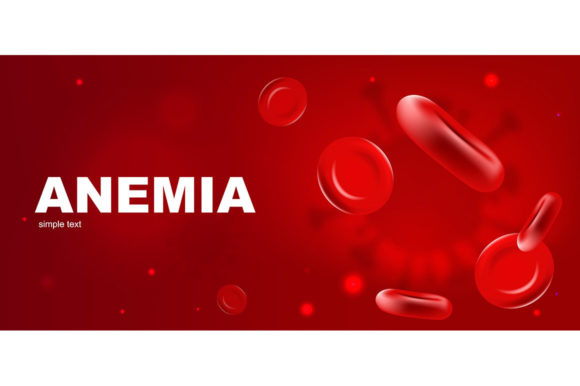
When designing educational materials or advertisements for hematology, the visual representation of biological processes is critical. The Anemia Realistic Vector Banner Template addresses this specific need by offering a high-fidelity depiction of erythrocyte flow and low hemoglobin levels. Unlike generic medical illustrations that often rely on flat colors or abstract shapes, this template utilizes a 3D mock-up design to create a sense of depth and realism. This approach allows healthcare providers, researchers, and marketing professionals to communicate complex physiological concepts with clarity and professional authority.
This resource is particularly valuable for those creating horizontal printable flyers, brochures, or digital banners where space is at a premium but visual impact is essential. By providing dedicated text space alongside the imagery, the template balances aesthetic appeal with informational utility. Whether you are preparing a seminar presentation, a patient education handout, or a pharmaceutical advertisement, understanding the nuances of this design asset helps in making an informed choice about your communication strategy.
Distinguishing Features of the Anemia Realistic Vector Banner Template
The primary distinction of the Anemia Realistic Vector Banner Template lies in its rendering technique. Traditional vector graphics often struggle to convey the texture and volume of biological cells. In contrast, this template employs a 3D mock-up design that simulates the appearance of red blood cells flowing through a vessel. This level of detail transforms a standard diagram into a dynamic scene that captures the attention of the viewer immediately.
The theme centers on the condition of anemia, specifically highlighting the concept of low hemoglobin levels. Visually, this might be represented by a reduced density of erythrocytes or a specific coloration that suggests oxygen deficiency. Such accuracy is vital for medical contexts where misrepresentation could lead to confusion. The template does not merely show "cells"; it tells a story about circulation and the physiological state associated with anemia.
Furthermore, the layout is designed as a horizontal banner, which aligns with modern web standards and print formats like A4 brochures or letterhead flyers. The inclusion of ample text space ensures that the design remains functional. Users can overlay titles, key statistics, or calls to action without obscuring the critical 3D elements. This balance between artistic representation and practical utility is what sets this template apart from more decorative or purely illustrative options.
Evaluating Format and Usability
One of the most significant advantages of this template is its file versatility. The ZIP package typically includes both EPS and JPG formats, catering to different stages of the design workflow. The Anemia Realistic Vector Banner Template offers flexibility that rigid image-only assets do not provide.
- EPS Files: These are essential for professional designers who require scalability. Because the core artwork is vector-based, users can resize the banner from a small mobile screen to a large trade show poster without losing resolution. This format also allows for the isolation of individual elements, such as separating the background from the red blood cells if a custom color adjustment is needed.
- JPG Files: For quick previews or direct use in non-editable environments, the JPG version provides a ready-to-use raster image. This is ideal for social media posts or email newsletters where editing capabilities are limited, but a high-quality image is still required.
This dual-format approach ensures that the resource fits into various technical ecosystems. It removes the barrier of needing specialized software just to view the content, while still supporting advanced customization for those who have access to vector editing tools. When comparing this to templates that offer only raster images, the value proposition becomes clear: the ability to adapt the asset to any medium without degradation.
Comparing Approaches to Medical Illustration
In the realm of medical advertising and education, there are generally three approaches to visualizing conditions like anemia: photorealistic photography, stylized 2D illustrations, and realistic 3D vectors. The Anemia Realistic Vector Banner Template occupies a unique middle ground that offers distinct benefits over the other categories.
Photorealistic photography of actual blood samples can be powerful, but it often carries ethical concerns regarding consent and privacy. Additionally, capturing a clear image of cellular flow requires expensive macro-photography equipment and can result in inconsistent lighting or focus. While authentic, these images may not always be suitable for broad commercial use due to licensing restrictions.
On the other end of the spectrum, stylized 2D illustrations are cost-effective and easy to customize. However, they can sometimes appear too simplistic or cartoonish for serious medical discussions. A brochure intended for a hospital board meeting or a detailed patient consultation might suffer if the visuals lack gravitas. The flat nature of 2D art can make it difficult to depict the spatial relationships within the bloodstream accurately.
The realistic 3D vector approach strikes a balance. It avoids the legal complexities of photography while providing the depth and sophistication that stylized art lacks. The Anemia Realistic Vector Banner Template leverages this by presenting a clean, controlled environment where the focus remains entirely on the biological mechanism. This makes it an excellent choice for explaining the pathophysiology of anemia without overwhelming the audience with graphic or clinical details.
Strategic Applications and Best-Fit Scenarios
Understanding when to deploy the Anemia Realistic Vector Banner Template is key to maximizing its effectiveness. Its design features suggest specific use cases where it will outperform alternative resources.
Patient Education Materials: One of the most common challenges in healthcare is helping patients understand why they feel fatigued or short of breath. A flyer featuring the 3D mock-up of erythrocyte flow can visually demonstrate how low hemoglobin reduces oxygen delivery to tissues. The realistic style lends credibility to the explanation, helping patients trust the information provided by their provider.
Hematology Conferences and Seminars: In professional settings, visual aids must be engaging yet precise. Horizontal banners are frequently used as backdrops for presentations or as standalone posters. The high-resolution quality of the EPS file ensures that the fine details of the cell structures remain sharp even when projected on large screens. The text space allows for conference titles, speaker names, or key research findings to be integrated seamlessly.
Clinical Advertising: Pharmaceutical companies developing treatments for anemia need to communicate efficacy and safety. A brochure using this template can highlight the target mechanism of action. The visual of the "flow" implies movement and restoration, which is a subtle but powerful psychological cue for potential treatments. The professional look of the template reinforces the seriousness of the medical intervention being advertised.
Tradeoffs and Limitations to Consider
While the Anemia Realistic Vector Banner Template offers numerous advantages, it is important to acknowledge its limitations to ensure it meets your specific project requirements. No single design asset is universally perfect for every situation.
First, the thematic specificity is a double-edged sword. The template is explicitly designed around anemia, erythrocytes, and hemoglobin levels. If your project requires a broader scope, such as general blood health or multiple hematological disorders, this specific imagery might feel too narrow. In such cases, a more generic blood cell template might be a better starting point, requiring less modification to fit the broader narrative.
Secondly, the complexity of the 3D mock-up design means that customization requires a certain level of technical skill. While the EPS files allow for changes, altering the lighting, angle, or specific cellular arrangement within a 3D vector scene can be challenging for beginners. If your team lacks experience with vector editing software like Adobe Illustrator, you may find yourself limited to changing text and basic colors rather than reimagining the composition.
Additionally, the horizontal orientation is fixed. While this works well for web headers and standard flyers, it may not be ideal for vertical formats like Instagram stories or long-form vertical posters without cropping or rearranging the layout. Evaluators should consider their distribution channels before committing to a horizontal-only design.
Making the Decision: Is It Right for You?
Selecting the right visual resource involves weighing your goals against the capabilities of the asset. If your primary objective is to create a professional, scientifically accurate representation of anemia for a print or digital campaign, the Anemia Realistic Vector Banner Template is a strong candidate. Its combination of 3D realism, vector scalability, and structured text space addresses the core needs of medical communication.
However, if your project demands extreme customization of the biological elements or covers a wider range of topics beyond anemia, you might need to explore alternatives. Look for templates that offer modular components or a broader library of blood-related imagery. Conversely, if budget constraints prevent the purchase of a specialized template, free stock photos or simpler 2D icons might suffice, though they will likely lack the same level of polish and impact.
Ultimately, the decision rests on the balance between visual fidelity and functional flexibility. The Anemia Realistic Vector Banner Template excels in scenarios where establishing trust and clarity through high-quality visualization is paramount. By understanding its strengths and limitations, professionals can leverage this tool to enhance their messaging effectively.
For those navigating the complex landscape of medical design, choosing an asset that respects both scientific accuracy and aesthetic appeal is crucial. This template serves as a robust foundation for such efforts, providing the necessary tools to craft compelling narratives about hematology and patient care.