Surprise Gift Box Dieline Template: A Practical Guide to Flawless Custom Packaging
There is a distinct magic in handing someone a package that looks professionally crafted yet feels deeply personal. It signals effort, creativity, and care. However, for many creators, entrepreneurs, and hobbyists, the journey from a concept to a physical surprise gift box often hits a frustrating wall. The gap between a digital idea and a sturdy, foldable structure can feel insurmountable without the right tools. This is where a high-quality Surprise Gift Box Dieline Template becomes an essential asset rather than just a download.
Many people assume that creating custom packaging requires expensive software or professional design degrees. While those skills help, they are not strictly necessary if you start with the correct foundation. The real challenge lies in understanding what makes a template functional versus decorative. When you select a 3D box template design that lacks precision, your final product may fail to hold its shape, look unprofessional, or simply refuse to assemble correctly. Avoiding these pitfalls ensures that your time and materials are invested wisely.
Why Precision Matters in Your Paper Box Design
A folding box is more than just a piece of paper; it is an engineered object. The most common mistake beginners make is treating a dieline as a simple outline rather than a precise map for cutting and folding. If the dimensions are off by even a millimeter, the flaps will not meet, the glue tabs might overlap awkwardly, or the box could collapse under the weight of its contents. This is why choosing a printable box template that is vector-based is non-negotiable.
Vector files ensure that the lines remain crisp and accurate regardless of how much you scale them up or down. Raster images, which rely on pixels, become blurry and jagged when enlarged, leading to poor cut lines. By using a Surprise Gift Box Dieline Template built with vectors, you guarantee that the quality remains at 300 dpi or higher, ensuring clean edges whether you are printing on standard A4 paper or scaling up for larger formats. This scalability means you are not limited to one size; you can adapt the design for small trinkets or large items without losing resolution.
The Hidden Value of Blank Templates
One specific feature that often gets overlooked is the inclusion of both color and blank versions within the same archive. Many users purchase templates that come pre-colored with specific patterns, assuming this is the only option. However, this limits your creative freedom. A superior paper box solution provides a blank template that allows you to print on any colored paper you like. This is crucial for matching brand colors, holiday themes, or specific event aesthetics without fighting against a pre-set background.
If you buy a template that forces a specific color scheme, you might end up with a box that clashes with your gift wrapping or branding. By having access to a blank version, you gain total control. You can print on textured cardstock, metallic foil paper, or vibrant matte finishes. This flexibility transforms a generic DIY project into a bespoke product that stands out in a crowded market.
Navigating File Formats and Software Compatibility
Once you have selected a template, the next hurdle is compatibility. Not all file types work with every machine or software program. A common error is downloading a format that your preferred tool cannot open, leading to wasted time and frustration. The ideal Silhouette Studio or Cricut Design Space user needs SVG files, while graphic designers working in Adobe Creative Cloud will require AI or EPS files. CAD professionals might need DXF files.
To avoid this confusion, ensure your chosen archive includes a comprehensive suite of formats: SVG, PDF, EPS, DXF, AI, and PNG. This variety ensures that whether you are a freelancer using AutoCAD, a teacher using Photoshop, or a small business owner using a home cutter, the files will work seamlessly. The presence of multiple formats indicates a thoughtful package designed for diverse workflows, saving you the hassle of converting files yourself, which can sometimes introduce errors.
Understanding the Workflow for Folding Boxes
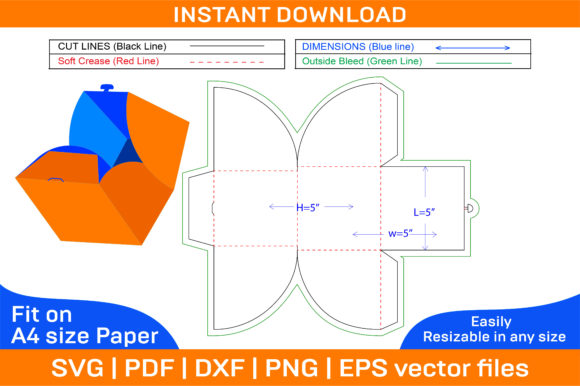
Even with the perfect files, the assembly process can go wrong if the instructions are vague or the template lacks clear markings. A well-designed foldable box template distinguishes clearly between cut lines (solid lines) and fold lines (dashed or dotted lines). Without this distinction, you risk cutting along a crease line, which ruins the structural integrity of the box. Always inspect the file before sending it to the printer or cutter to ensure these lines are visible and distinct.
Furthermore, consider the aspect ratio of your paper. While the files are optimized for A4, remember that different printers have varying margins. If you plan to use a different paper size, check the scaling settings carefully. Vector-based designs handle scaling beautifully, but you must ensure the printer driver does not crop the essential tabs or bleed areas. A quick test print on scrap paper is always a wise step before committing your best materials.
Maximizing Efficiency and Professional Results
For entrepreneurs and marketers, the speed of production matters. A poorly chosen template can slow down your workflow significantly. Spending hours trying to fix misaligned cuts or re-drawing elements is inefficient. By starting with a Surprise Gift Box Dieline Template that is already prepared, you bypass the initial design phase and move straight to customization. You can focus your energy on adding your unique logos, images, and thematic colors rather than struggling with geometry.
This efficiency translates directly to cost savings. Less waste means fewer ruined sheets of expensive paper or cardstock. When you know exactly where the cuts should be and how the folds interact, your yield rate increases. For educators and bloggers creating resources, this reliability is key to delivering high-quality content to their audience without unexpected technical glitches.
What to Check Before You Download
Before finalizing your purchase or download, take a moment to verify a few critical details. First, confirm the file formats included match your hardware and software capabilities. Second, check if the package offers both the colored preview and the blank editable version. Third, ensure the resolution is specified as high-quality (300 dpi or vector) to prevent pixelation. Finally, review the compatibility list to see if it supports your specific cutting machine or design software.
By taking these precautions, you avoid the common trap of buying a template that looks good on screen but fails in practice. A reliable 3D box template design should empower you to create professional-grade objects with confidence. Whether you are making a surprise gift for a loved one or producing branded merchandise for your shop, the right template sets the stage for success. It removes the guesswork, allowing your creativity to shine through in the final presentation.
In conclusion, the difference between a disappointing craft project and a stunning finished product often comes down to the quality of the starting point. Investing in a versatile, high-resolution, and compatible Surprise Gift Box Dieline Template is an investment in your own productivity and the quality of your output. It allows you to create custom boxes that are not only functional but also beautiful, reflecting the care you put into every detail.